Logistics & Operations Support
Order coordination, transportation follow-up, shipment visibility, warehouse communication, and support for day-to-day logistics workflows.
ALWAYS STL Enterprise
We coordinate orders, dispatch, and warehouse activity; keep stock records and cycle counts accurate; check invoices against POs and receiving before they're approved; and report what needs attention. Where a step is repetitive or document-heavy, we automate it or build the tool for it.
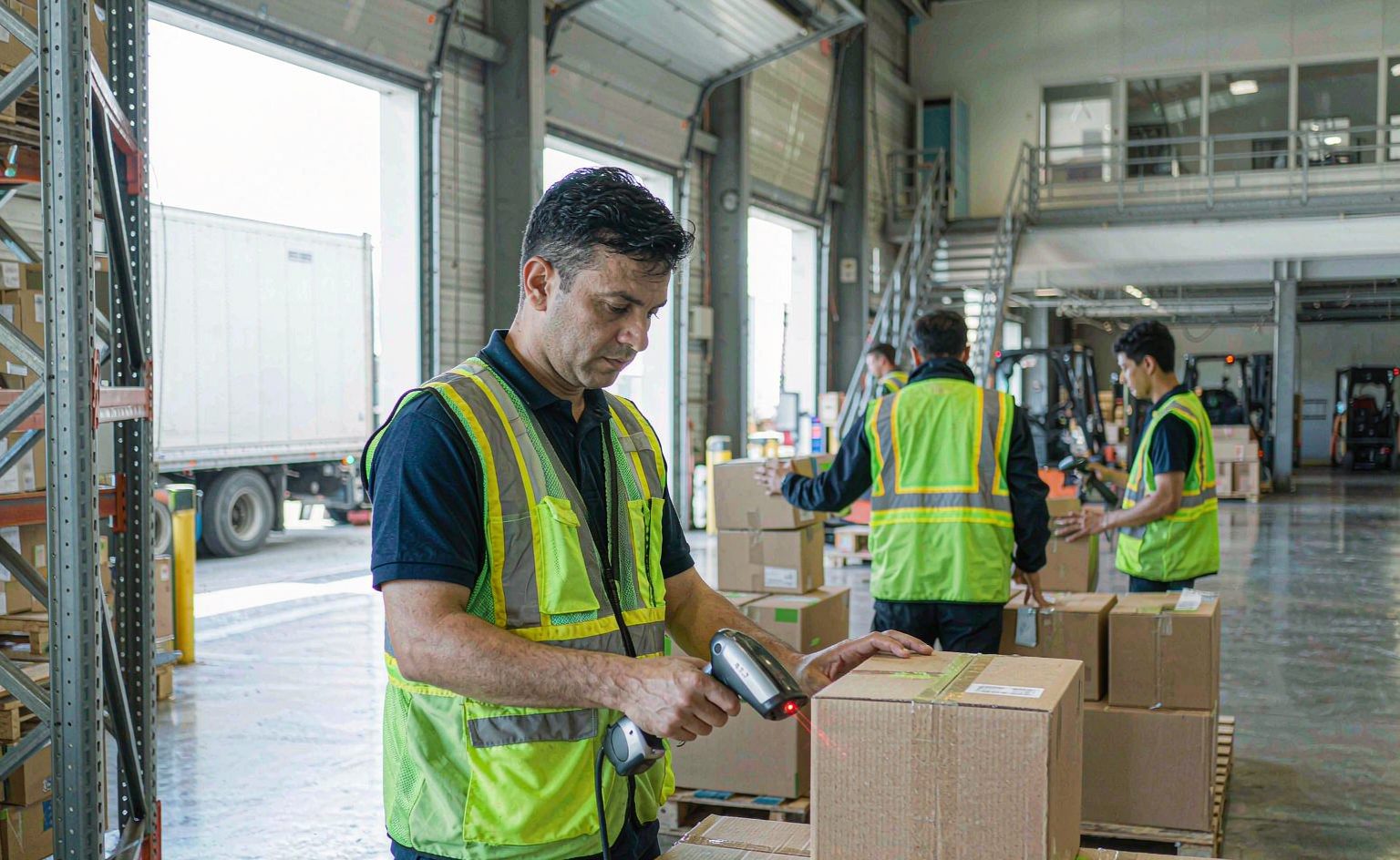
Operational scene
Software view
The scene and interface above are examples of how we lay out this kind of work. Fields, rules, and integrations are set with each client.
Core services
Five service lines cover the operating chain end to end: moving orders and freight, automating the repetitive steps, keeping stock records honest, checking documents before they're approved, and reporting what needs attention.
Order coordination, transportation follow-up, shipment visibility, warehouse communication, and support for day-to-day logistics workflows.
Custom software and automation for repetitive steps, exception routing, data capture, internal dashboards, and system integrations.
Inventory checks, store and warehouse support, discrepancy review, stock awareness, shortage monitoring, and replenishment support.
OCR-assisted document review, invoice matching, purchase order and delivery note checks, exception logging, and duplicate or mismatch detection.
Operational dashboards, activity summaries, issue monitoring, management reporting, and visibility into where processes are slowing down.
We also build restaurant and multi-location websites, online menus, and location pages, usually alongside an operations or software project. See digital services.
What the work looks like
This is the kind of view we build around a live process: where the work is sitting, which exceptions need a decision, and which documents don't match. The layout below is an example — your version is built around your process, systems, and fields.

Orders awaiting inventory confirmation, pickup windows, and next-action notes before release.
Cycle counts, shortage flags, and review tasks between records and physical stock.
Invoice, PO, and delivery document comparisons with mismatch notes and resolution steps.
A neutral review list showing what needs a human decision, update, or follow-up.
The map and screens above show how we lay out this kind of workflow. Fields, rules, and integrations are set with each client.
Unified platform
We're not a single tool. One workflow view connects orders, dispatch, tracking, inventory, document checks, and reporting, so a change in one place shows up everywhere it matters.
Industry applications
Three situations we're called about most often. They're representative examples, not named client case studies — the full breakdown by industry is on the Industries page.
Representative scenario
Dispatch timing, receiving status, and outbound readiness get tracked through calls, spreadsheets, and scattered notes. We define the handoff checkpoints, put dispatch readiness into one queue, and give supervisors a view of what isn't ready to move yet.
Representative scenario
Store teams and central inventory records drift apart on shortages, reorder timing, and transfer needs. We structure the stock review workflow, surface discrepancies, and route replenishment decisions through one process with location-level reporting.
Representative scenario
Invoice lines, purchase orders, and delivery records get compared by hand, so quantity and pricing errors slip through. We use OCR-assisted extraction, set the comparison rules with you, and route mismatches for a decision before approval.
FAQ
Both, and that's the point. We support logistics and operations day to day, and we build the software and AI-assisted workflows that hold them together. You get one team working against the same process instead of two vendors arguing about the gap between them.
Yes. Most teams we work with already run on spreadsheets, email chains, accounting tools, inventory records, or shared documents. We design around what you have rather than asking you to replace it first.
Inventory support can include stock checks, discrepancy review, shortage alerts, replenishment support, warehouse and store visibility, and reporting on exceptions.
We use OCR-assisted extraction to pull invoice data, then structured review steps to compare it against purchase orders, receiving records, and delivery documents. Mismatches are routed for a decision before approval. The comparison rules are set with you.
Workflow routing, document review patterns, dashboards, and reporting views are patterns we've built before and adapt to your process. Integrations, business rules, and the exact interface are scoped with you — that part is never off the shelf.
Yes. We build restaurant and multi-location websites, online menus, and location pages. It usually comes alongside an operations or software project rather than on its own.
Yes. For suitable projects we handle website setup, Google Business Profile support, SEO and AI search readiness, and analytics guidance.
Start with a strategy call or inquiry outlining the workflow that causes the most friction today. From there, ALWAYS STL can scope review priorities, delivery steps, and information needed for the next discussion.
Closing CTA
A first conversation usually starts with one route handoff, one recurring warehouse exception, one document matching step, or one reporting gap. We'll tell you what we can take on, what it depends on, and what we'd need from you.