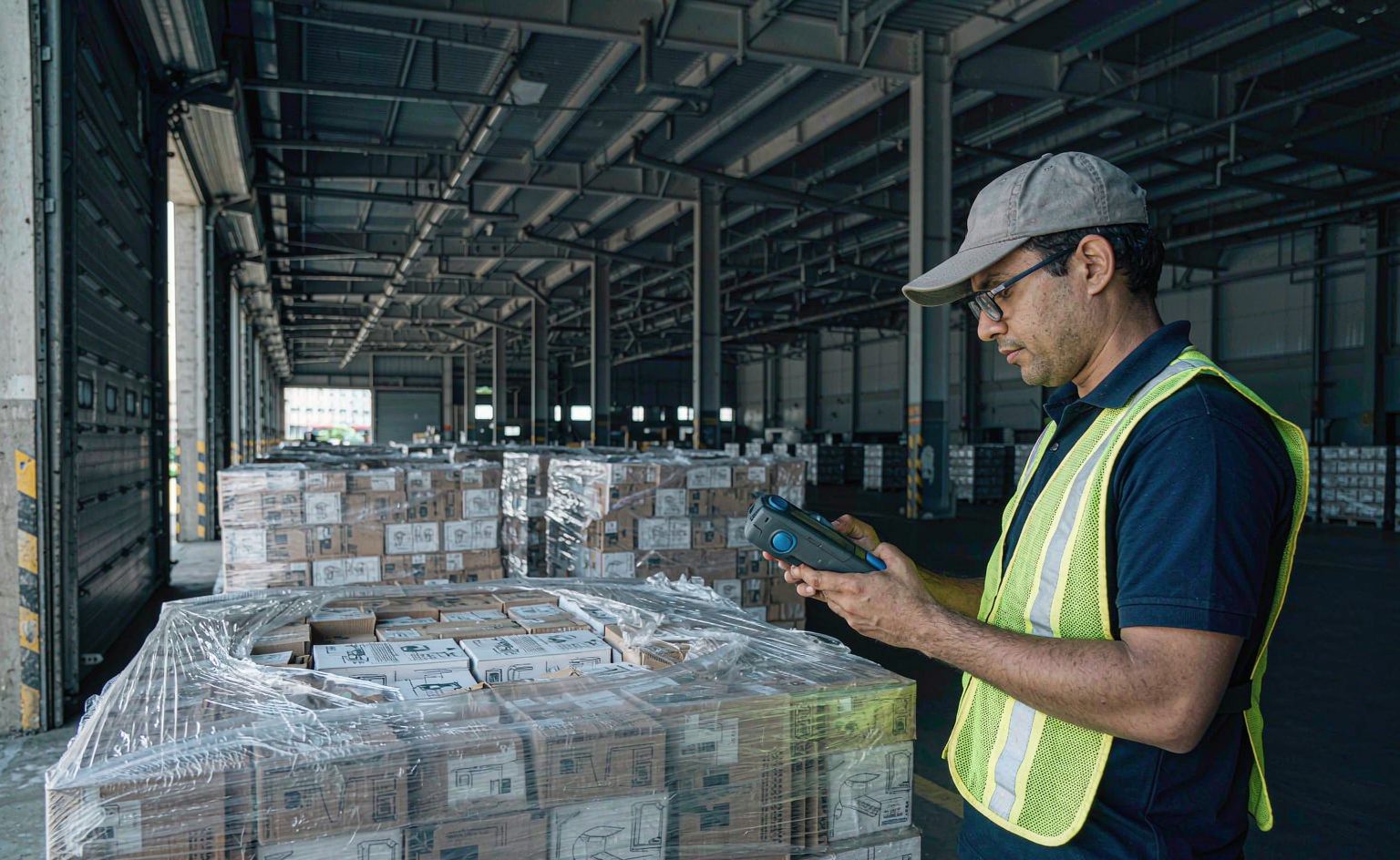
Representative scenario
Receiving-to-dispatch coordination
Typical client: warehouse, distributor, and fulfillment operators
- Problem
- Receiving status, outbound staging, and dispatch readiness were tracked through manual updates and inconsistent handoff notes. The warehouse, the dispatch desk, and the office each kept their own version, so a shipment could look ready in one place and blocked in another.
- What we did
- We walked the flow from dock to release with the people who run it, wrote down what "ready to release" means and who confirms it, and put dispatch readiness into one review queue. Supervisors see which orders are blocked — and why — before the truck is waiting.
- What changed
- Status conversations moved off calls and scattered notes and into one queue. Blocked orders carry the reason they're blocked, and handoff disagreements get settled against a written definition instead of memory. Supervisors start the day knowing what isn't ready to move yet.
- Why it held
- The checkpoints were defined by the people who do the work, not handed down. The queue follows the real sequence of the dock, so keeping it current takes minutes instead of becoming a separate reporting chore. Changes show up the same day, so the team trusts what it says.