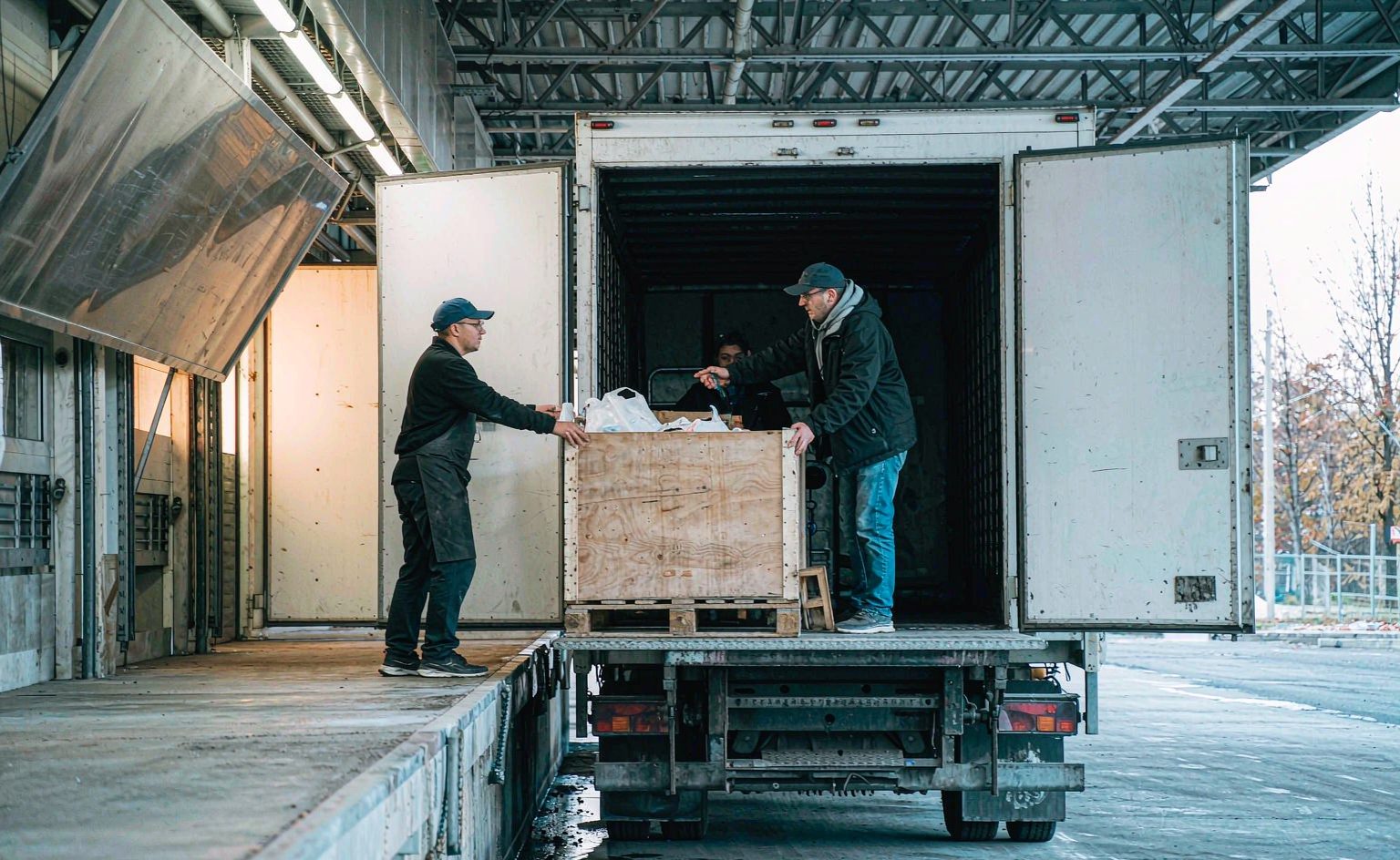
Representative operating scenarios across warehouse, retail, back-office, and multi-location businesses.

Every engagement starts with the process you run today. Below are the situations we get called about most often, and what we build for each.

Representative scenarios

Six operating situations we're asked to fix.

Each one sets out the type of business, the operational problem, how we would approach it, and what you should expect us to deliver. These are representative examples, not named client case studies.

Delivery driver handing crates to a store associate at the back entrance of a retail location

Representative scenario

Warehouse receiving and dispatch release

Example

Typical client: warehouse, distributor, and fulfillment operators

Original problem
Receiving status, outbound staging, and dispatch readiness were being tracked through manual updates and inconsistent handoff notes.
How we'd approach it
Define the handoff checkpoints, centralize dispatch readiness, and build a review queue for orders blocked by inventory or confirmation issues.
What we deliver
Receiving status board, dock release queue, exception notes, and an operating summary for supervisors.

Representative scenario

Retail and grocery replenishment control

Example

Typical client: retail and grocery businesses with recurring stock movement needs

Original problem
Store-level shortages, reorder timing, and central stock records did not always match, creating avoidable urgency and manual follow-up.
How we'd approach it
Create a replenishment workflow that highlights low-stock items, routes review tasks, and provides one place to compare location-level inventory inputs.
What we deliver
Shortage alerts, transfer request queue, cycle-count review view, and branch-level reporting.

Representative scenario

Procurement and invoice matching

Example

Typical client: procurement, finance, and document control teams

Original problem
Purchase orders, invoices, and delivery records required repeated manual checking, making pricing and quantity mismatches hard to review consistently.
How we'd approach it
Use OCR-assisted extraction, establish comparison rules, and route mismatches into a controlled review workflow before approval.
What we deliver
Document intake screen, reconciliation workspace, mismatch queue, and review history log.

Representative scenario

Multi-location issue visibility

Example

Typical client: businesses coordinating several stores, branches, or service points

Original problem
Each location managed local tasks, but leadership lacked a consistent view of recurring exceptions, open actions, and unresolved operational issues.
How we'd approach it
Standardize issue categories, centralize reporting inputs, and provide a management layer that compares patterns across locations.
What we deliver
Shared issue queue, location roll-up dashboard, branch notes, and recurring exception summaries.

Representative scenario

Operations analytics and review cadence

Example

Typical client: operations leadership teams needing clearer reporting

Original problem
Managers could see pieces of order flow, stock status, and document issues, but not one structured review layer for weekly or daily decisions.
How we'd approach it
Design dashboards around open issues, route delays, stock concerns, and reconciliation workload rather than generic vanity metrics.
What we deliver
Exception dashboard, review summary cards, issue aging view, and action-oriented reporting screens.

Supporting category

Digital services for restaurant and multi-location brands

Example

Typical client: brands that also need a stronger public web presence

Original problem
Brand presentation, menu visibility, and local business profile consistency were handled separately and not always kept current.
How we'd approach it
Support the front-end website layer, location pages, online menus, and search-facing business details as a complementary service.
What we deliver
Website structure, menu pages, location details, analytics setup, and Google Business Profile support.

What working through one of these looks like.

  • We walk your current process end to end before proposing anythingFirst step
  • Scope covers the queues, exceptions, and documents your team handles todayScope
  • Deliverables are workflows, review screens, and reporting you can act onDeliverables
  • Restaurant and multi-location web work is taken on alongside operations projectsAlso available

Client confidentiality

We don't publish client names, logos, or operating figures. These scenarios describe the problem and the work, not a specific business. Tell us about your operation and we'll scope it directly.