Case studies

Three representative engagements, walked through end to end.

Each snapshot below follows one workflow from the problem that started it to what changed and why it held. These are representative examples, not named client case studies — we don't publish client names, logos, or operating figures. Client names and references are shared in conversation.

How to read these

Every snapshot follows the same arc.

Problem, what we did, what changed, why it held. What changed is described in operating terms rather than performance numbers — the numbers that matter depend on your volumes, not ours.

What each part covers

  • The workflow as it runs today, and where it breaksProblem
  • The checkpoints, queues, rules, and views we put in placeWhat we did
  • What's different day to day, described without performance claimsWhat changed
  • Why the change is still in place after we hand it overWhy it held

Confidentiality

Client confidentiality

We don't publish client names, logos, or operating figures. These snapshots describe the problem and the work, not a specific business. Tell us about your operation and we'll scope it directly.

Want the detail behind a scenario? Ask on a call — +1 (437) 536-6211.

Representative projects

Three workflows, from first problem to what held.

Drawn from the situations we get called about most often. Each one sets out the type of business, the problem, what we did, what changed, and why it held. They're representative examples, not named client case studies.

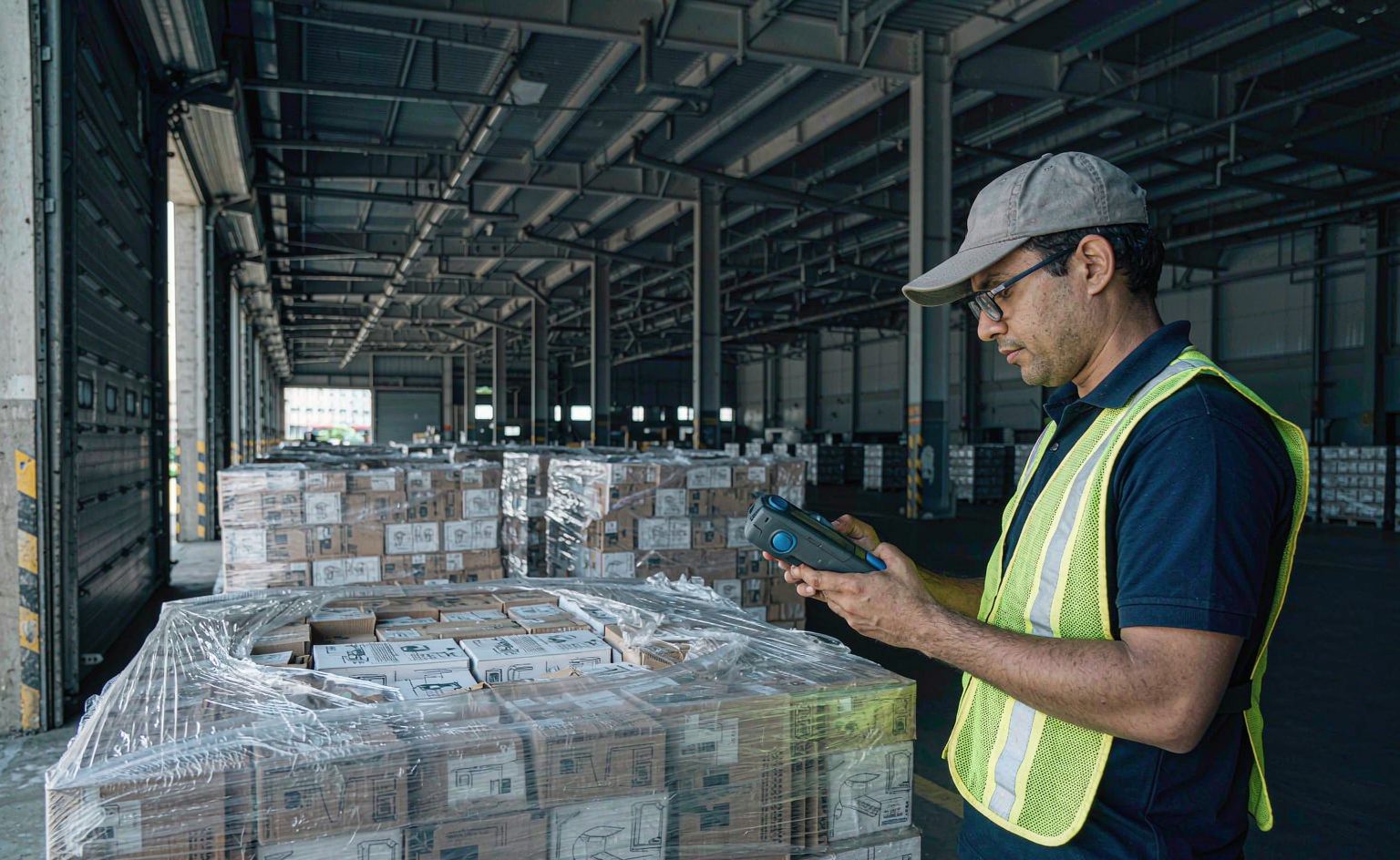
Warehouse supervisor checking a staged pallet against a handheld terminal at the loading dock

Representative scenario

Receiving-to-dispatch coordination

Example

Typical client: warehouse, distributor, and fulfillment operators

Problem
Receiving status, outbound staging, and dispatch readiness were tracked through manual updates and inconsistent handoff notes. The warehouse, the dispatch desk, and the office each kept their own version, so a shipment could look ready in one place and blocked in another.
What we did
We walked the flow from dock to release with the people who run it, wrote down what "ready to release" means and who confirms it, and put dispatch readiness into one review queue. Supervisors see which orders are blocked — and why — before the truck is waiting.
What changed
Status conversations moved off calls and scattered notes and into one queue. Blocked orders carry the reason they're blocked, and handoff disagreements get settled against a written definition instead of memory. Supervisors start the day knowing what isn't ready to move yet.
Why it held
The checkpoints were defined by the people who do the work, not handed down. The queue follows the real sequence of the dock, so keeping it current takes minutes instead of becoming a separate reporting chore. Changes show up the same day, so the team trusts what it says.

Representative scenario

Retail replenishment control

Example

Typical client: retail and grocery businesses with recurring stock movement needs

Problem
Store-level shortages, reorder timing, and central stock records didn't always match. Replenishment ran on whoever escalated loudest, and transfers were decided reactively, which created avoidable urgency and manual follow-up.
What we did
We structured the stock review into a repeatable workflow: cycle count exceptions surface as a review list, shortages get flagged while they're still small, and replenishment decisions route through one process with location-level reporting.
What changed
Shortages show up as a review item instead of a phone call from a store. Reorder timing follows a set review cadence rather than first-come urgency. Location-level reporting shows which stores drift from the records, so the conversation is about specific stores, not a general feeling that stock is off.
Why it held
The review cadence matches how the stores actually operate, and exceptions carry the context needed to decide without pulling in three more people. Nothing required replacing the system the records live in — the workflow was built around it.

Representative scenario

Invoice and receiving matching

Example

Typical client: procurement and back-office teams tied to receiving data

Problem
Invoice lines, purchase orders, and delivery records were compared by hand. Quantity and pricing errors slipped through to approval, and by the time they surfaced, the paperwork trail had to be reconstructed from email.
What we did
We used OCR-assisted extraction to pull invoice fields, set the comparison rules with the team that owns them, and routed mismatches for a decision before approval. Exceptions carry the evidence needed to resolve them — the invoice line, the PO line, and the receiving record side by side.
What changed
The comparison happens before approval instead of after payment. Reviewers spend their time on mismatches instead of re-keying. Every exception leaves a record of what was decided and why, so the same dispute doesn't get re-litigated next month.
Why it held
The rules were set with the people who own the process, so the matching reflects how purchasing actually works rather than a textbook case. The tool handles extraction and comparison; the decisions stay with your team. And the exception log keeps the history, so the workflow keeps improving instead of resetting.

What these engagements have in common.

  • Each one started with a single workflow, not a system replacementStarting point
  • Each workflow was built around the tools the team already runsNo rip-and-replace
  • We build the queue, the rules, and the view; the decisions stay with your teamWho decides
  • We said up front what we could take on, what it depended on, and what we'd needScope

To start

What we'd need from you

  • The workflow that causes the most friction todayOne workflow
  • How it actually runs — the systems, documents, and people involvedThe real process
  • Someone who owns the process and can confirm the rulesA decision-maker

That's enough for a first scoped conversation — nothing else has to be prepared in advance.

Next step

Run your workflow through the same arc.

Tell us the process that costs your team the most attention. We'll walk it end to end, tell you what we can take on, and what it depends on.